Minnesota Mallards
What is Junior Hockey? A Parent’s Guide to the NAHL and Why It Matters

What is Junior Hockey? A Parent’s Guide to the NAHL and Why It Matters

What Is Junior Hockey and How Does It Work?

If your son dreams of playing NCAA college hockey or one day skating professionally, you’ve probably heard the term junior hockey. But for many families entering the hockey world, understanding how junior hockey works can be confusing.
What is junior hockey? How old are the players? How do teams operate? Is it the right path for your athlete?
This guide will explain everything parents and players need to know about junior hockey and why it has become one of the most successful development paths for elite hockey players.

What Is Junior Hockey?

Junior hockey is a highly competitive level of amateur hockey designed for players who have completed youth or high school hockey and are preparing for collegiate or professional careers.
Players typically range in age from 16 to 20 years old, depending on league eligibility rules.
Unlike youth hockey, junior hockey is focused on developing athletes for the next level through:

  • Higher competition
  • Daily skill development
  • Strength and conditioning
  • Video analysis
  • Mental performance training
  • Exposure to college and professional scouts

For many athletes, junior hockey serves as the bridge between youth hockey and NCAA or professional hockey.

Why Do Players Choose Junior Hockey?

Not every player is ready to step directly into college hockey after high school. Junior hockey allows players to:

  • Continue developing physically
  • Improve skating and hockey IQ
  • Gain experience against older, stronger competition
  • Increase exposure to college recruiters
  • Mature both on and off the ice

Many NCAA coaches actively recruit players from junior leagues because they have already experienced a demanding schedule, traveled extensively, and learned how to compete against older athletes.

How Does Junior Hockey Work?

Unlike traditional youth hockey, junior hockey operates much like a professional sports organization.
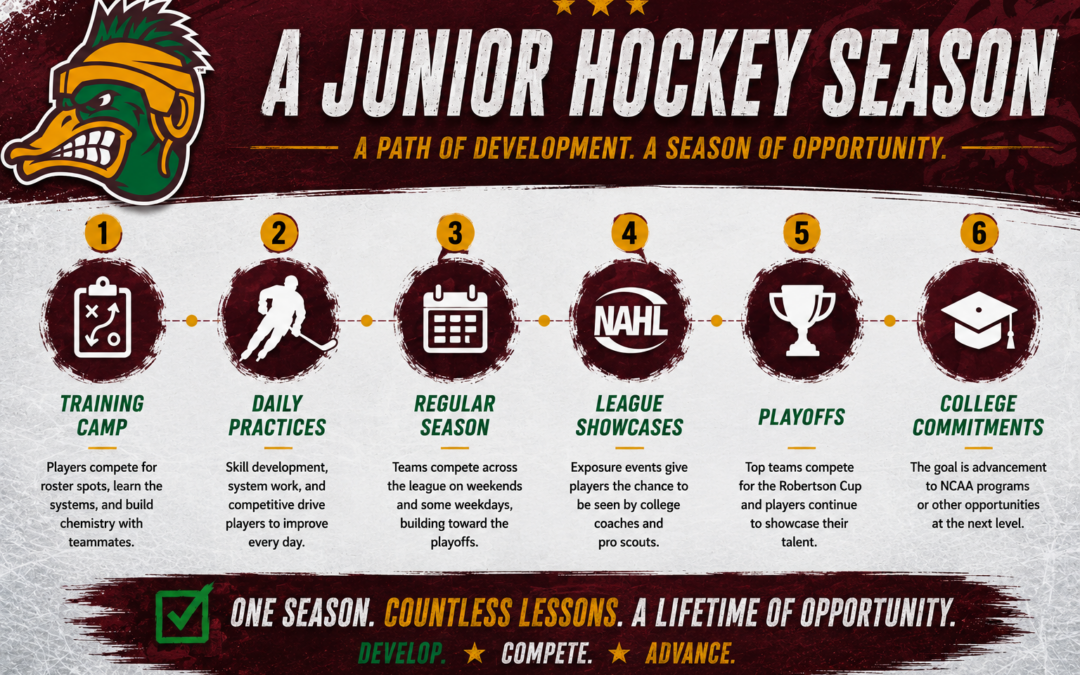
Players join a team for a season and compete against other organizations across their league. A typical season includes:

  • Training camp
  • Daily practices
  • Video sessions
  • Strength training
  • Regular season games
  • League showcases
  • Community appearances
  • Playoffs
  • Throughout the season, players are continually evaluated by college coaches and scouts.

What Is the North American Hockey League (NAHL)?

The North American Hockey League (NAHL) is the only USA Hockey-sanctioned Tier II junior hockey league in the United States and is widely recognized as one of the premier development leagues for players pursuing NCAA hockey.
The league features organizations from across the country that compete at a high level while emphasizing player development both on and off the ice.
Every season, hundreds of NAHL players commit to NCAA programs, making it one of the most respected pathways to college hockey.

What Does a Typical Week Look Like?

While every organization is different, a junior hockey player’s week often includes:

  • Team practices
  • Individual skill development
  • Strength and conditioning sessions
  • Video review
  • Team meetings
  • Weekend games
  • Travel
  • Recovery sessions
  • Players are expected to treat hockey like a full-time commitment while also pursuing education or career goals.

What Is a Billet Family?

Many junior players live with local host families known as billet families. Billet families provide:

  • A safe home environment
  • Meals
  • Transportation support
  • Family structure away from home

For younger players living away from home for the first time, billet families become an important part of their development experience.

What Skills Do Junior Coaches Look For? Talent alone rarely earns a roster spot. Successful junior players consistently demonstrate:

  • High compete level
  • Strong skating ability
  • Hockey IQ
  • Coachability
  • Work ethic
  • Discipline
  • Character
  • Consistency

Coaches value players who make smart decisions, support teammates, and continue improving every day.

Is Junior Hockey Right for Every Player? Junior hockey is not simply about making a roster.Families should ask:

  • Does this organization prioritize player development?
  • What is the coaching philosophy?
  • How many players advance to college?
  • What resources are available for athletes?
  • Does the culture support long-term growth?

The right junior team helps players become better athletes, better teammates, and better people.

The Goal: Advancement. For many players, junior hockey is a stepping stone to:

  • NCAA Division I hockey
  • NCAA Division III hockey
  • ACHA college hockey
  • Professional hockey opportunities

Success isn’t measured only by wins and losses—it’s measured by how well players are prepared for the next stage of their hockey journey.

Final Thoughts

Junior hockey is one of the most important developmental stages in a young athlete’s career. It provides the opportunity to compete at a higher level, develop essential life skills, and pursue collegiate and professional hockey goals.
Choosing the right organization can have a lasting impact on a player’s future. Families should look for a program that values development, character, education, and long-term success just as much as championships.
Whether you’re just beginning to explore junior hockey or preparing for your first tryout, understanding how the process works is the first step toward making informed decisions for your athlete’s future.

Interested in Learning More?

If you’re considering junior hockey and want to learn more about the development opportunities available in the NAHL, we’d love to connect with you. The Minnesota Mallards are committed to helping players maximize their potential both on and off the ice while preparing them for success at the collegiate level and beyond.
How Playing Junior Hockey Prepares Athletes for College and Life

How Playing Junior Hockey Prepares Athletes for College and Life

Lace up, because we’re about to make a case for why junior hockey might be the best decision a 14-to-20-year-old hockey player ever makes — and no, we’re not just saying that because we’re the Minnesota Mallards. (Okay, maybe a little. But stick with us.)

If you’re a player dreaming about college hockey, or a parent trying to figure out what this whole “juniors” thing is really about, here’s the truth: junior hockey isn’t just a stepping stone to a roster spot. It’s where players get faster, tougher, smarter, and — somewhat sneakily — a whole lot more ready for adulthood. Let’s break down how.

What Even Is Junior Hockey?

Quick refresher for anyone newer to the journey: junior hockey is the level between youth/high school hockey and college hockey, typically for players ages 16-20. The Mallards play in the North American Hockey League (NAHL), a USA Hockey Tier II junior league that’s long been one of the most trusted development pipelines in the sport.

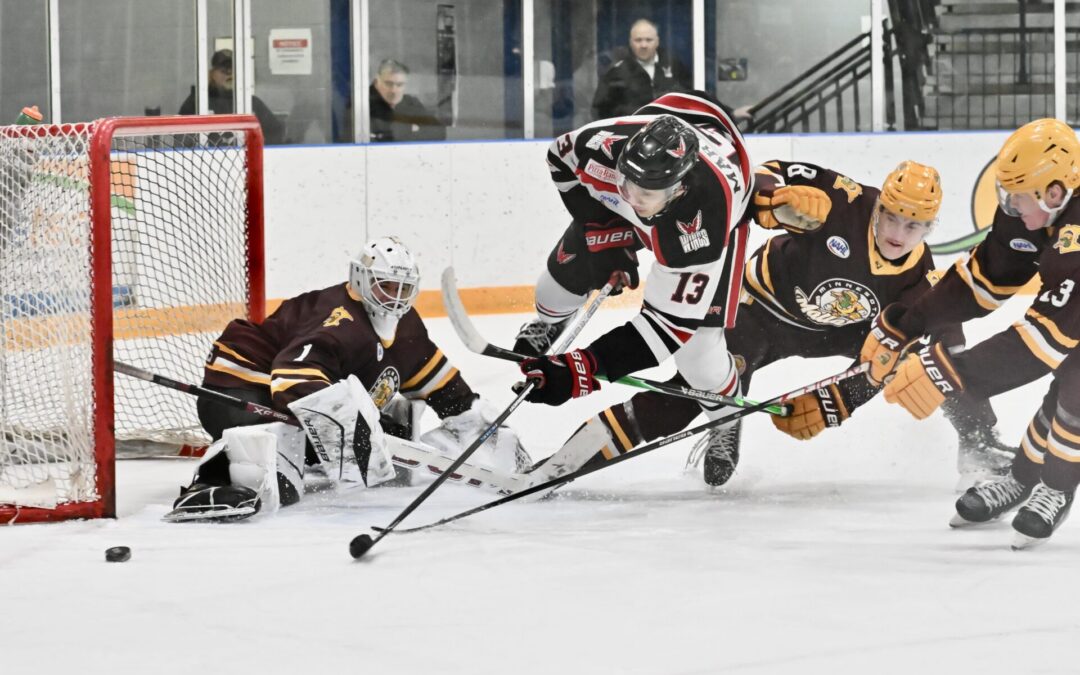
Translation: it’s faster, it’s tougher, and it’s where players go from “really good for their age” to “actually competing for a spot on a college roster.” We play right here at Forest Lake Sports Center, and if you’ve never seen junior hockey live, it hits different — bigger hits, harder shots, and a crowd that gets loud.

The Ice Gets Faster (And So Do You)

Here’s the not-so-secret secret about junior hockey: everyone on the ice is good. Really good. Suddenly you’re not the biggest or fastest player out there — you’re just one of many, which means you have to get sharper, smarter, and more efficient with every shift.

That’s where real development happens. Mallards players train with coaches who build individualized plans around each athlete’s game, sharpening everything from edge work to hockey IQ. It’s the kind of growth that college coaches notice — and it’s exactly why junior leagues like the NAHL have long served as a primary pipeline to NCAA hockey programs.

Every summer, we run a Main Camp (mark your calendars: this year’s is July 23-26) where players from across North America come compete for roster spots. It’s intense, it’s exciting, and it’s a great preview of what a junior season actually feels like.

Living on Your Own (Sort Of) — Hello, Billet Families

Here’s a part of junior hockey nobody really talks about until they’re living it: many players move away from home and live with a billet family — a local family who opens their home for the season. It sounds like a big leap (it is!), but it ends up being one of the most valuable parts of the whole experience.

Suddenly you’re managing your own laundry, your own schedule, your own mornings before practice. You’re building real relationships with people outside your immediate family. You’re learning independence in a supportive environment — which, fun fact, looks a whole lot like what’s waiting for you in a college dorm a year or two later. Billet life is basically a trial run for “leaving the nest,” except this time there’s a hockey team and a host family cheering you on the whole way.

(Speaking of billet families — if you know a family who’d love to host a player and gain an honorary extra kid for the season, send them our way.)

School Still Counts — And That’s a Good Thing

Let’s be honest: balancing hockey and school is no joke. Practices, travel, games, and somehow still turning in homework on time? It’s a lot. But here’s the upside — junior hockey players get really, really good at time management, because they have to be.

That skill doesn’t disappear after the season ends. It’s the exact muscle college students need to balance classes, practice, film sessions, and (eventually) a social life. Players who come through junior hockey tend to hit campus already knowing how to manage a calendar that would make most freshmen panic.

The Life Skills Nobody Puts on a Highlight Reel

Goals and saves get the Instagram posts, but the real wins in junior hockey often happen off the scoresheet. Our whole program is built around values we talk about constantly in the locker room: Accountability. Work Ethic. Coachability. Teamwork. Discipline. Grit. Sportsmanship.

Translation for the parents reading this: your kid is going to lose some games. They’re going to get benched, get scratched, hit a slump. And learning how to respond to that — with the right attitude, with accountability instead of excuses — might honestly be more valuable than anything that happens between the whistles.

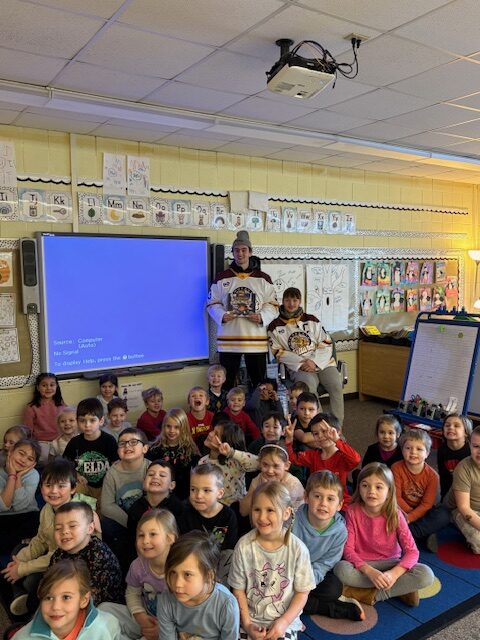
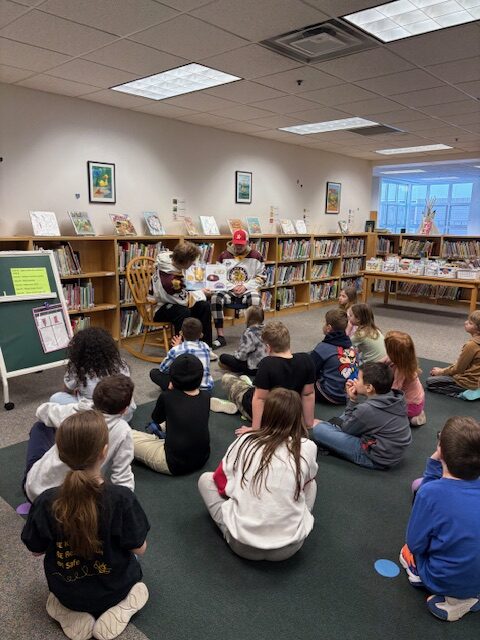
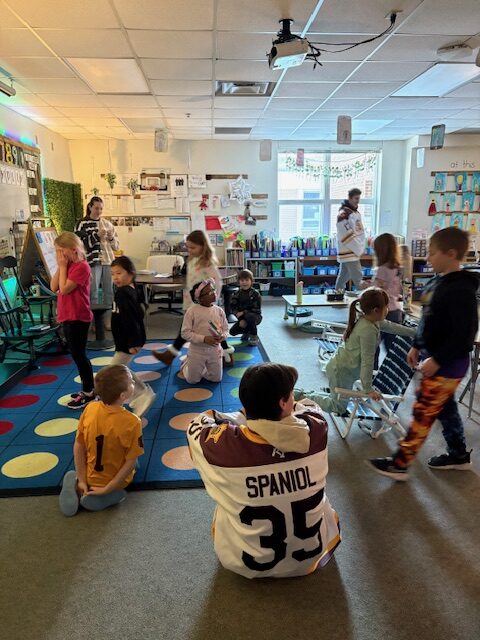
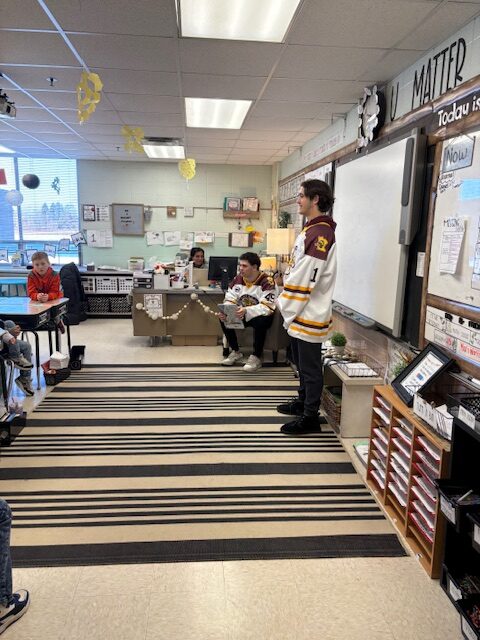
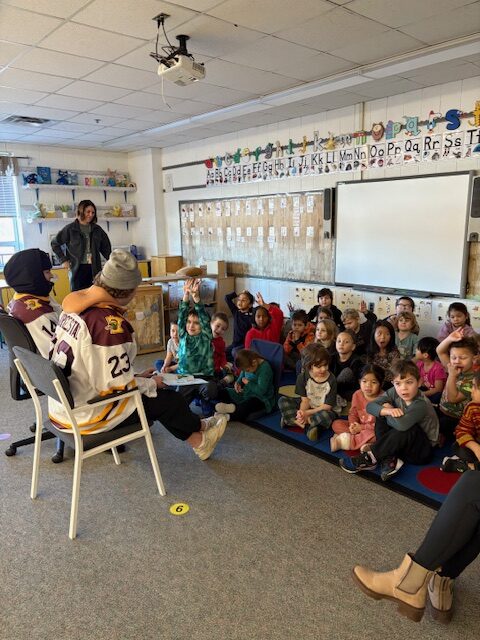
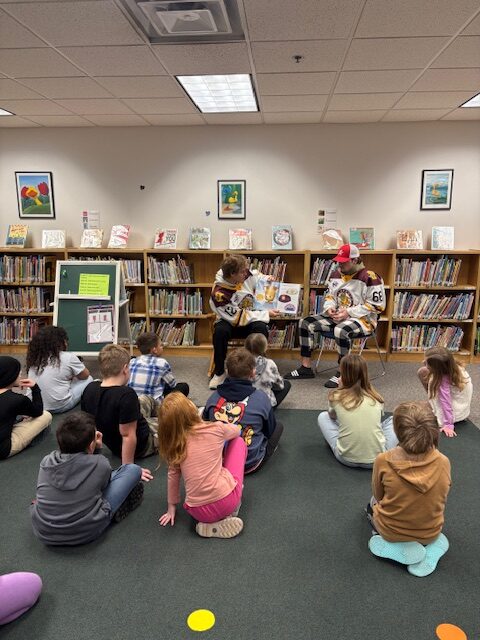
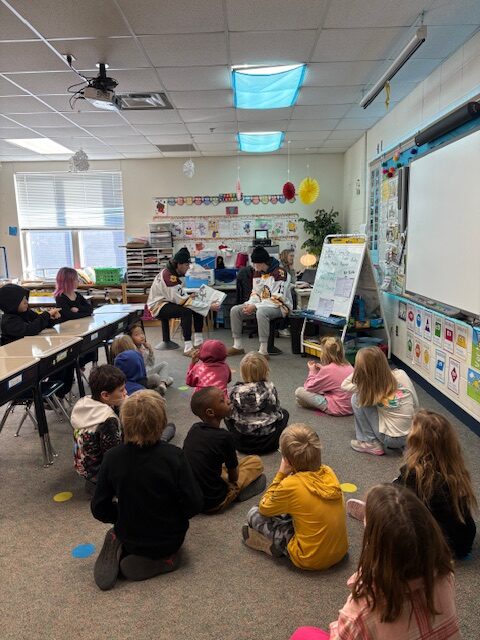
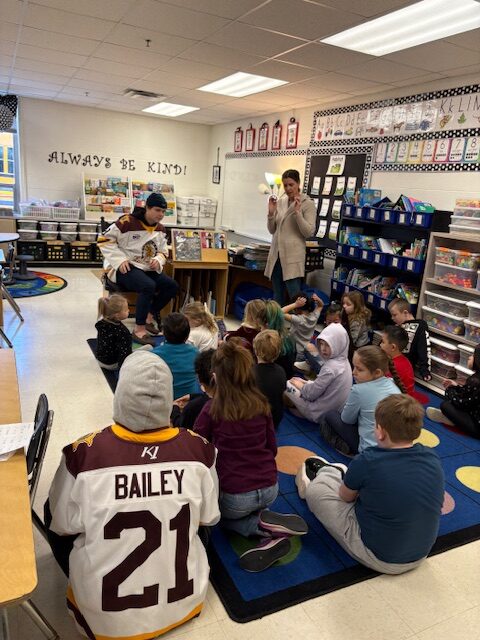
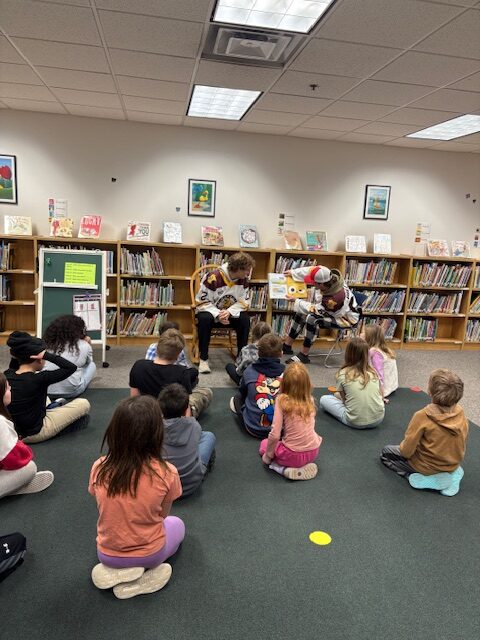
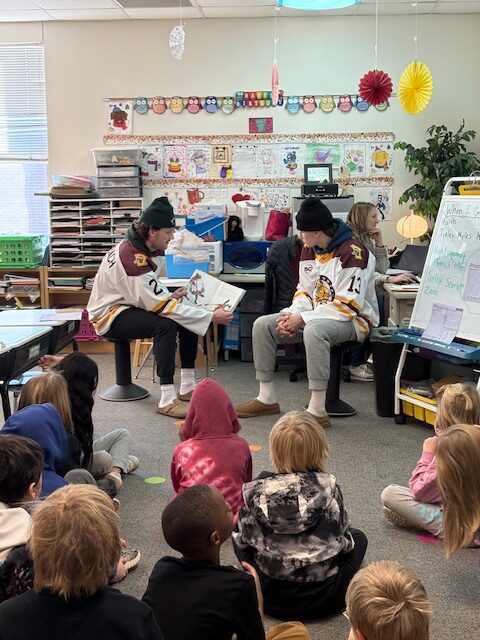
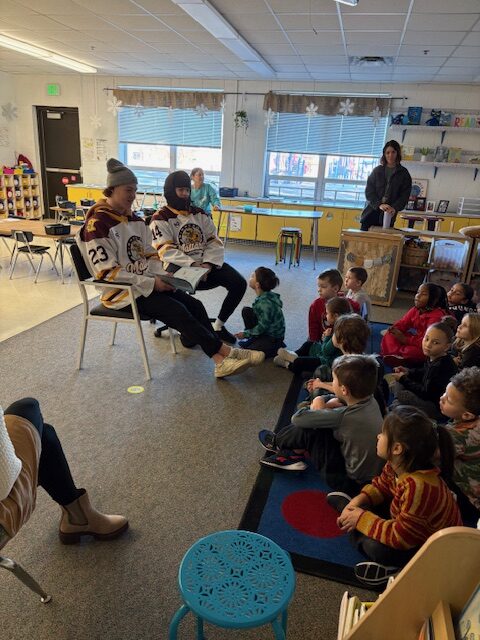
Our players also spend time off the ice giving back — reading to elementary classrooms, running youth skating clinics, volunteering around Forest Lake. Mentorship goes both ways: while learning leadership themselves, our players become role models to the next generation of young skaters. It’s all part of the same philosophy that’s painted (literally) into our team values:

“The harder you work, the luckier you get.” “Preparation equals separation.”

The Recruiting Pathway: Getting Seen, Getting Better

If college hockey is the goal, junior hockey is where the visibility happens. Showcases, league games streamed on NAHL TV, and a longer, more competitive season all mean more chances for college coaches and scouts to see what you can do. Add in a strong relationship with your coaching staff and consistent on-ice growth, and junior hockey becomes less about “getting discovered” and more about being undeniably ready when the opportunity comes.

Why Families Choose the Mallards

We’re proud to bring fast, exciting NAHL hockey to Forest Lake — but we’re just as proud of what happens around the games. Elite training. Academic support. Billet families who become a second home. A coaching staff that genuinely invests in who players become, not just how they perform.

If you’re a player who thinks you’ve got what it takes, we want to hear from you — fill out our recruiting inquiry here and let’s start the conversation.

Okay, But Can I Just… Come Watch a Game?

Yes. Please. Honestly, that’s the best place to start.

Come see what junior hockey is actually like — the speed, the hits, the atmosphere, the whole experience. Tickets are $12 for general admission and $10 for kids, seniors, military, and first responders, which is basically the most affordable exciting night out in the Twin Cities metro. Bring the family, bring your team, bring your “I’m still deciding about juniors” skepticism, and we’ll handle the rest.

Grab tickets and check the schedule for the next home game at Forest Lake Sports Center. Come early, stick around after, and meet the players and coaches who make the Mallards a place where hockey players grow up — on and off the ice.

We’ll see you at the rink.

From Mites to the NAHL: A Development Roadmap for Young Hockey Players

From Mites to the NAHL: A Development Roadmap for Young Hockey Players

From Mites to Juniors: A True Path to NAHL-Ready Hockey

Every parent lacing up a five-year-old’s first pair of skates eventually asks the same question: what does it actually take to play juniors someday? At the Minnesota Mallards, we get that question constantly — from billet families, from camp parents, from kids who watch our players take the ice at Forest Lake Sports Center and picture themselves there in a few years.

There’s no shortcut, and we won’t pretend there is one. But there is a proven framework: USA Hockey’s American Development Model (ADM). It’s the same age-by-age blueprint that USA Hockey built to fix the things that used to derail young players — too much travel, too much score-watching, too much specialization too soon. We coach our camps and showcases around it because it works, and because it maps cleanly onto the road that actually leads to the NAHL.

Here’s that road, stage by stage.

8U (Mites, ages 6–8): Build the Skater Before the Hockey Player

This is the foundation everything else gets built on. ADM keeps 8U hockey cross-ice, with small-area games and station-based practices instead of full-ice scrimmages and standings. The goal isn’t winning — it’s touches. More puck touches, more skating reps, more decisions per minute than a full-ice game could ever offer a six-year-old.

What matters at this age: edges, balance, and a love of the game that survives a bad practice. Kids who get crammed into full-ice systems and tight checking too early often plateau by 12U because they never built the foot speed and puck skills that come from years of small-area chaos. Skip nothing here.

10U (Squirts, ages 9–10): The Bridge to the Full Game

Squirts is the transition year — still heavy on cross-ice and small-area work, gradually introducing bigger-ice concepts as skating and puck control catch up. Body contact (angling, positioning, leverage) starts showing up, but it’s about teaching kids to play through contact, not absorb hits.

This is also when you start to see real individual identity emerge: the kid who sees the ice, the one who never stops moving his feet, the natural shooter. Good 10U coaching protects that individuality instead of forcing every player into the same mold.

12U (PeeWee, ages 11–12): Skill Refinement Meets the Full Sheet

By 12U, players are on full ice, and the game starts to look like the one you watch on Friday nights. This is where skating speed, edgework, and puck skill either get sharpened into something durable or get exposed. It’s also where tiering (A, B, AA) starts to mean more, and where travel and tryouts start asking more of families.

The ADM emphasis here is still skill development over tactics — players who can really skate and really handle a puck will always have more options later than players who only know one system. Coaches and parents who chase wins at 12U at the expense of skill work are borrowing against a player’s bantam and high school years.

14U (Bantam, ages 13–14): Where the Real Sorting Begins

Bantam is the inflection point. Body checking enters the game, the pace jumps, and so does the physical and mental demand. This is also typically when associations start separating tiers more sharply, and when families start asking seriously about high school hockey, junior high showcases, and whether their player is on a path that leads somewhere.

Two things separate players who keep climbing from players who stall out at Bantam: conditioning and compete level. The skating and skill foundation from 8U–12U either shows up now under pressure, or it doesn’t. This is also the age where off-ice training — strength, speed, mobility — starts to matter as much as on-ice reps.

15–18 (Midget/High School): The Recruiting Clock Starts

This is where junior hockey stops being abstract. High school and 16U/18U club hockey run in parallel for most players, and NAHL, NA3HL, USHL, and college programs are watching both. Showcases like the NAPHL 16U/18U Fall Showcase and events such as our own NAHL 16U & 18U Prospects Challenge exist for exactly this reason — they put players in front of junior and college scouts in a real competitive setting, not just a highlight reel.

What scouts and junior staffs are actually evaluating at this stage: skating that holds up at a faster pace, hockey sense under pressure, physical readiness, and — just as much as skill — coachability and character. A player who’s spent a decade inside the ADM framework, building real skating and puck skills instead of system-memorization, tends to translate well here. A player who was always the biggest or fastest kid in a small pond, and never had to develop true skill, often hits a wall right about now.

This is also the age to start being realistic and proactive about exposure: attending the right camps, getting evaluated honestly, and understanding that most NAHL rosters are built through tender agreements and the league’s player procurement process, not by walking on. Not every player’s timeline looks the same — some are ready to jump to junior hockey at 16 or 17, while others are better served playing out high school first. Both can lead to the same place; what matters is an honest read on where a player actually is.

After High School: NAHL and the True Junior Path

The NAHL is a Tier II junior league for players roughly 16–20 years old, and for most prospects, the meaningful jump to junior hockey happens after — or in the final stretch of — high school, once a player is physically and mentally ready for a 60+ game regular season, billet living, and a level where every opponent was the best player on their own youth team. The NAHL has produced hundreds of NCAA commitments in recent seasons — over 400 in 2024–25 alone — which is the real proof of the pathway: junior hockey isn’t the finish line, it’s the bridge to college hockey and, for a handful, beyond.

The players who make that jump successfully almost always share the same résumé: a real ADM foundation from their mite and squirt years, a bantam season where they got physically and mentally tougher instead of coasting, and a 15–18 stretch where they showed up at the camps and showcases that actually get evaluated by junior and college staff. There’s no single shortcut move — it’s a decade of stacked development, and the NAHL is looking for players who did the work in order.

It also helps to know where the NAHL sits in the broader picture: the USHL is junior hockey’s Tier I league, the NAHL is Tier II, and the NA3HL is its Tier III development league — a ranking of development stage, not effort or character. Plenty of NAHL players spend a year in the NA3HL first, and plenty of NAHL alumni move on to NCAA Division I, Division III, or ACHA programs. It’s a stepping stone built for players who still have runway left to grow, not a finish line.

How the Mallards Fit In

We didn’t build the Mallards as just a junior team that happens to share a rink with the local youth association. We built an organization with a rung on the ladder for nearly every stage in this guide, so a family doesn’t have to guess what comes next — they can see it on our own ice.

  • Youth Summer AAA Programs. This is where our pipeline starts for younger players: AAA-caliber summer teams and training groups built on the same ADM principles outlined above — skating, edgework, and puck skill first, scoreboard second — so players arrive at bantam and high school hockey with a real foundation instead of a highlight reel.
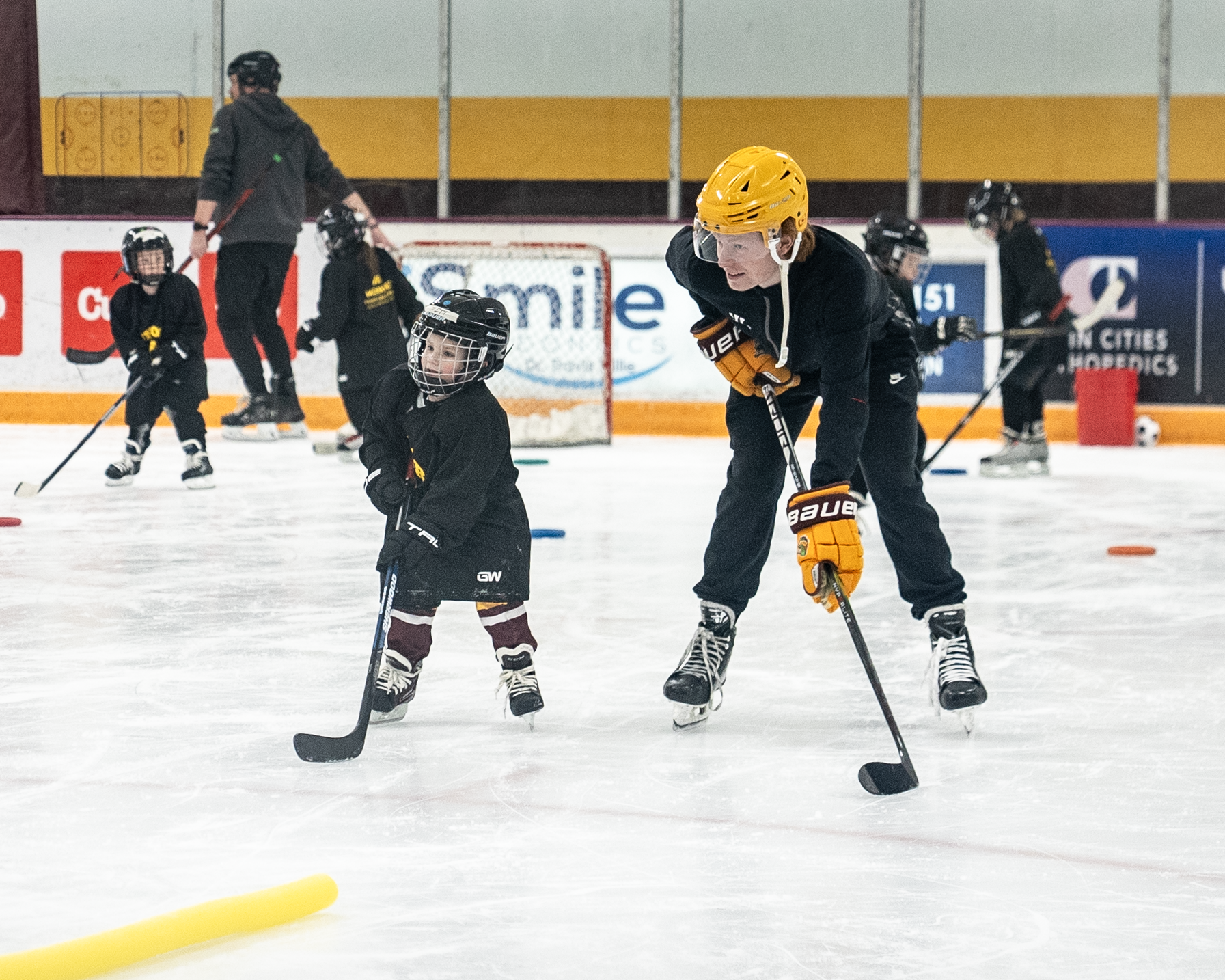
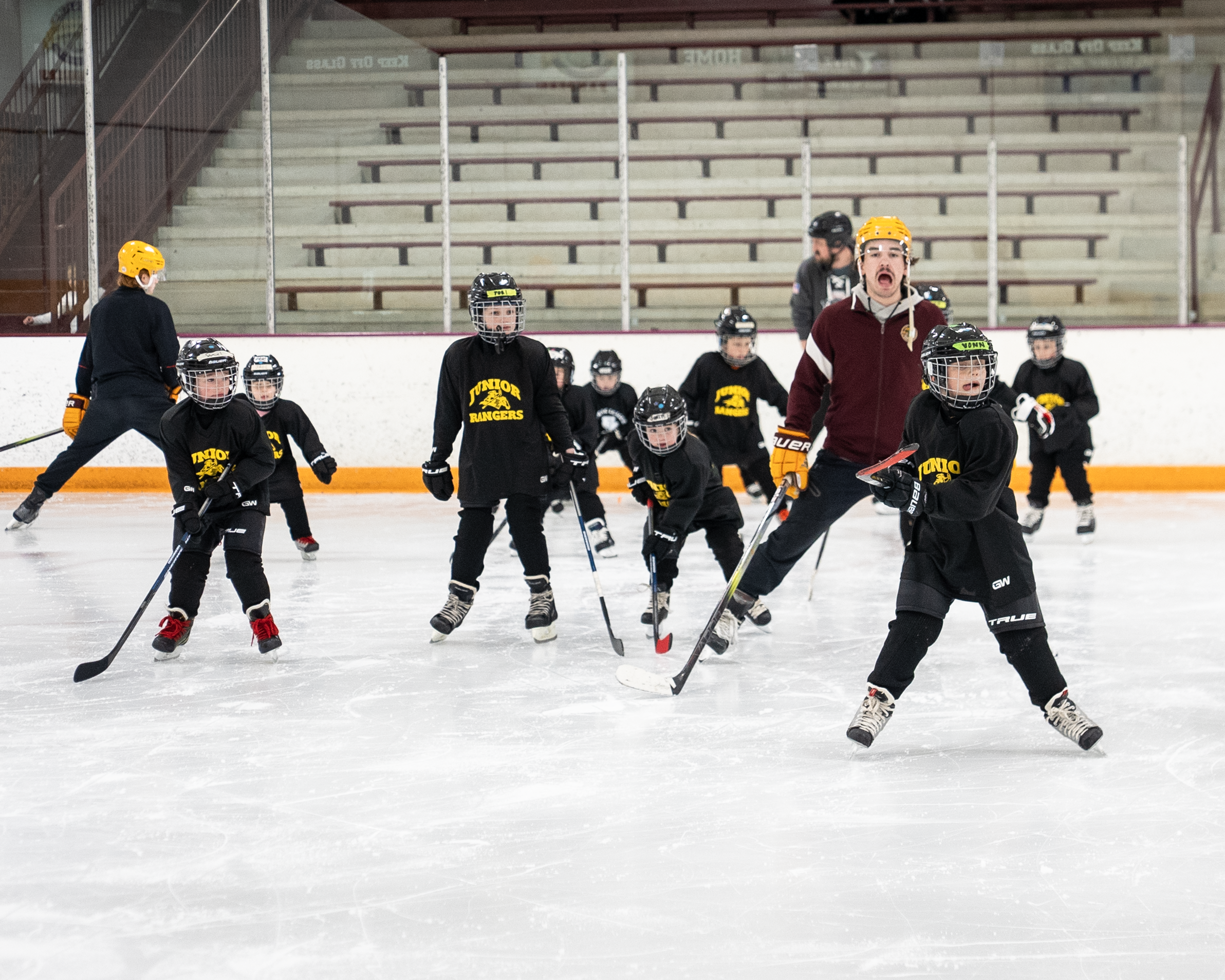
  • Development Clinics. Skill-specific, station-based sessions for mites through bantam-age players that reinforce exactly what ADM asks for at each stage: more touches, more reps, more individual attention than a typical team practice allows.
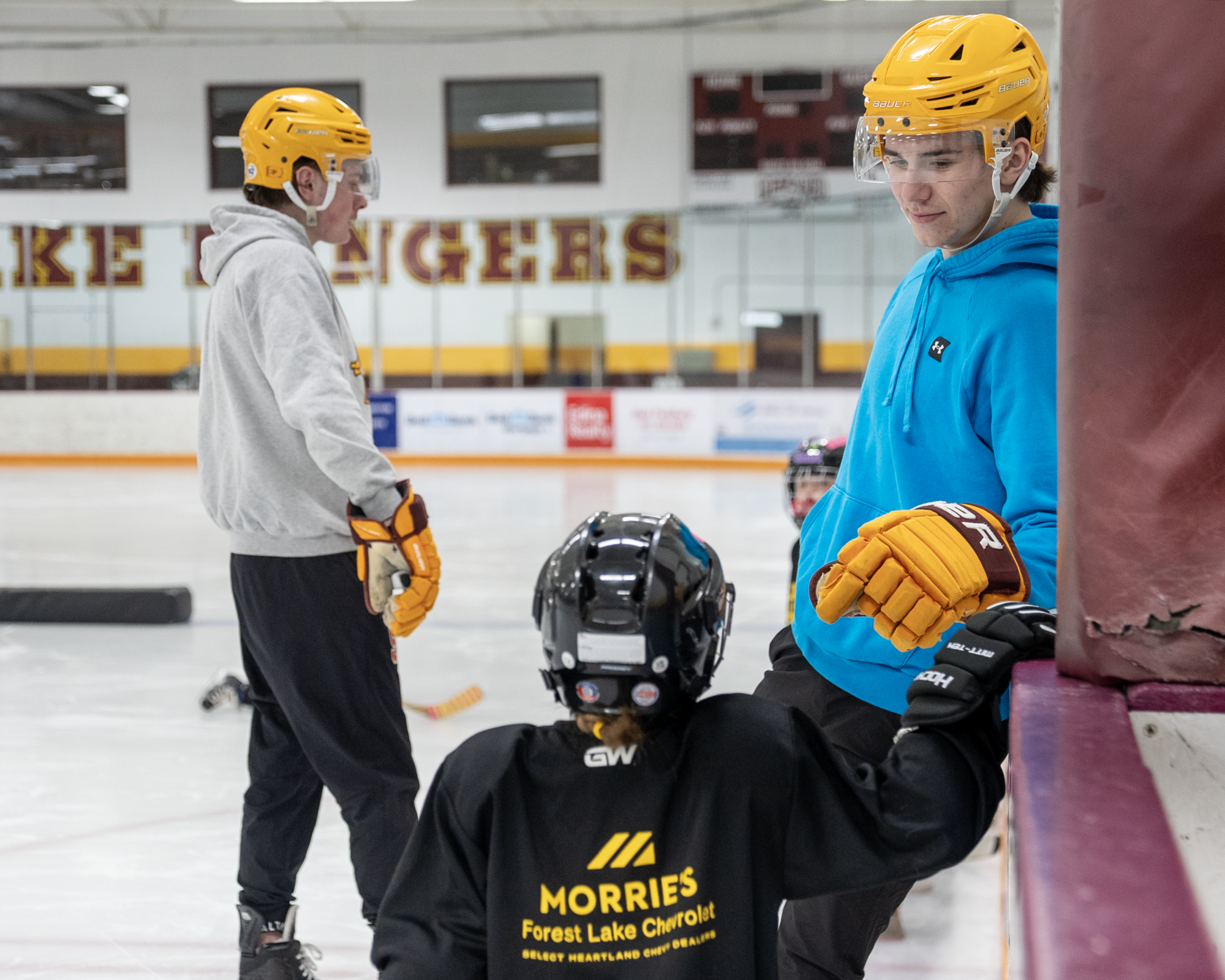
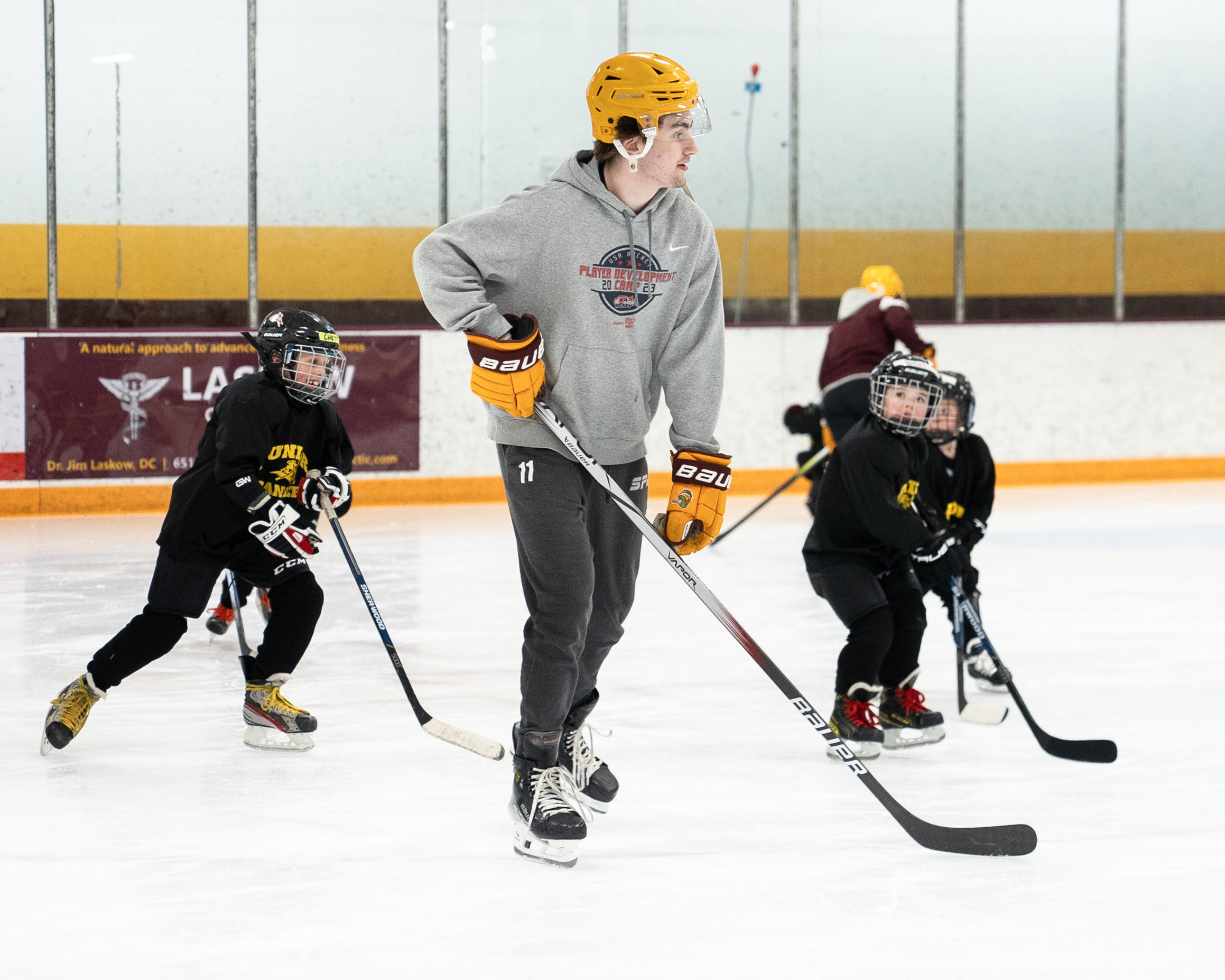
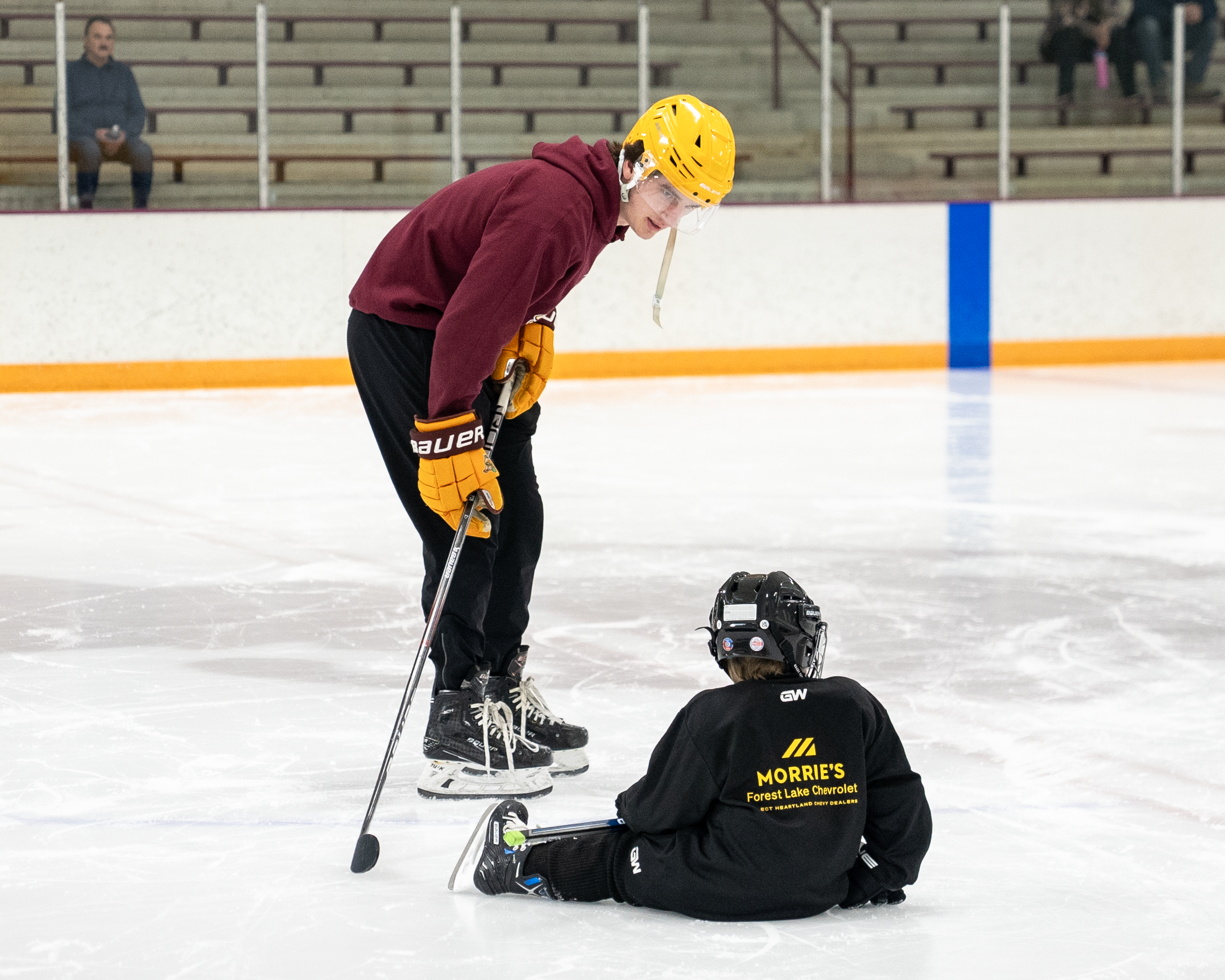
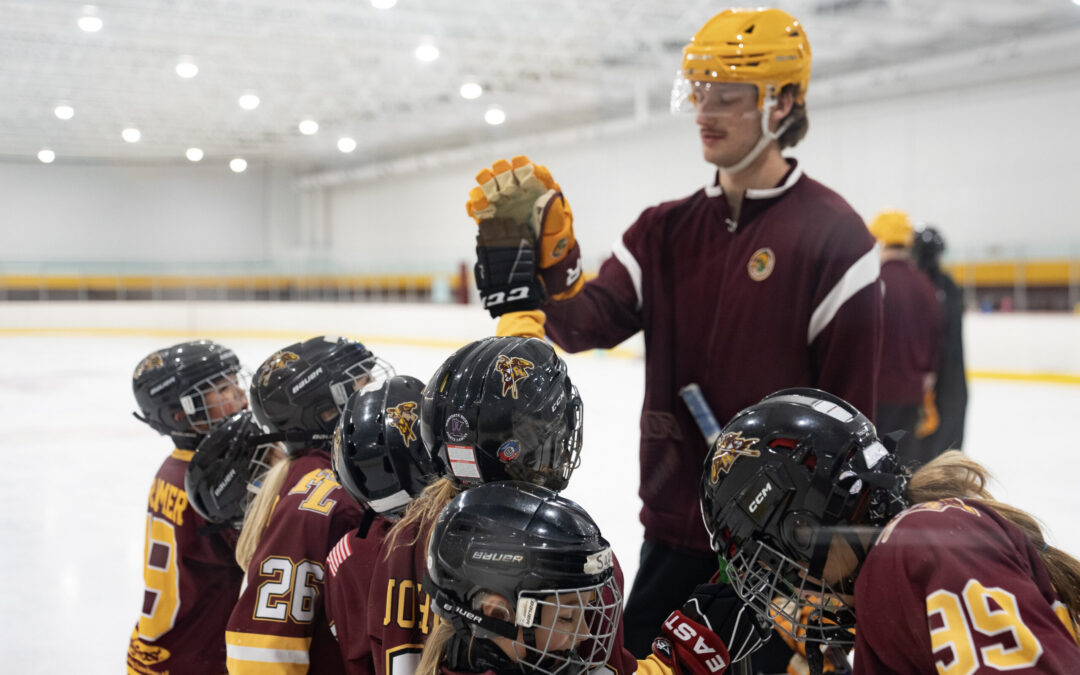
  • Skate with the Mallards. Our current junior roster regularly gets on the ice with area youth teams — mites, squirts, PeeWee clubs — so an 8U player isn’t just hearing about the path to juniors, they’re taking a lap next to someone living it.
  • Mallards Prospects Camp. Our open-registration evaluation camp for 2006–2011 birth years, run by Mallards coaching and scouting staff with NAHL tender and draft consideration on the line. It’s a real evaluation, not a participation trophy.
  • Mallards Main Camp. Our invite-only camp for committed prospects, where roster spots and final lineup decisions for the upcoming NAHL season take shape.
  • Our NAHL and NAPHL Teams. The Minnesota Mallards compete in the NAHL — a primary feeder league to NCAA hockey — while our NAPHL-affiliated squads give 16U and 18U players a high-level showcase environment in front of college and junior scouts before they’re ready for a full junior season.

If your player is somewhere on this path — whether that’s a first cross-ice practice or a draft-focused evaluation camp — we’d love to help you figure out the next right step. Reach out through mnmallards.com or check out our Hockey Programs page for upcoming camp and clinic dates.